The Oppenheimer Moment of Artificial Intelligence
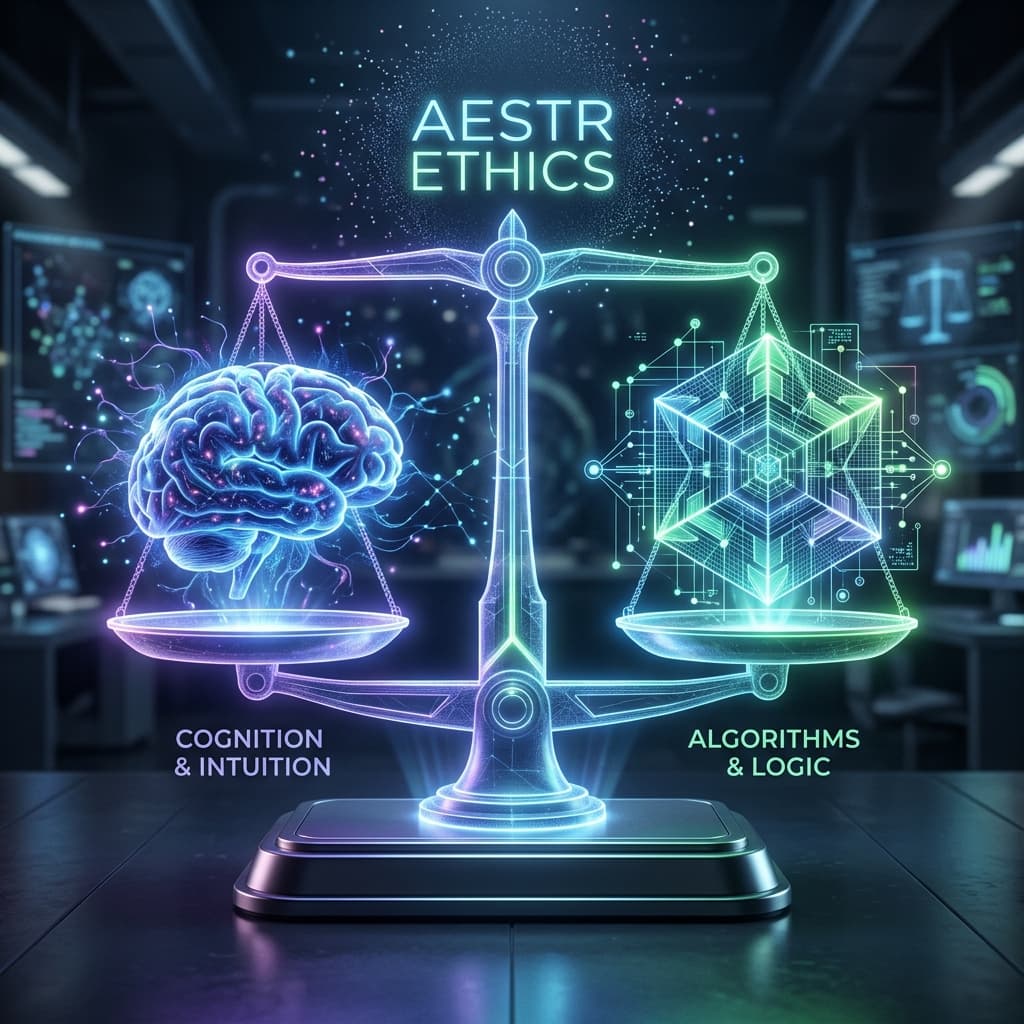
As we build machines that can write poetry, generate deepfake videos, and simulate human reasoning, we are forced to ask: What does it mean to be human? And how do we ensure the technology we create doesn't destroy the values we hold dear? At **AESTR**, ethics is not an elective; it is the core of our AI Program in Rajasthan.
I. The Crisis of Trust in Generative AI
Generative AI systems are trained on the vast, messy data of the human internet. This means they inherit our biases, our prejudices, and our flaws. If we automate our world using biased data, we don't just scale intelligence; we scale injustice. This is the "Ethical Bottleneck" of the 2020s.
II. The AESTR Approach: Responsible Architecting
In our AI Course in Jaipur, we teach "Ethics by Design." This means:
- Algorithmic Fairness: Using mathematical frameworks to detect and mitigate bias in training sets.
- Explainability (XAI): Moving away from "Black Box" models. If an AI makes a decision, we need to know *why*.
- The Alignment Problem: Ensuring that an AI's goals are perfectly aligned with human safety and well-being.
III. The Future of Work and Identity
As AI becomes more capable, we must redefine the value of human labor. At AESTR, we prepare our residents to be "Value-Creators," focusing on the creative and strategic tasks that AI cannot replicate. We advocate for a future where AI automates the mundane so humans can focus on the extraordinary.
V. Final Thoughts: A Call to Character
The engineers of 2030 will have more power than the politicians of 1930. With that power comes a massive responsibility. Don't just be a great engineer; be a good one. Join the movement for responsible innovation at the **AESTR AI Program in Rajasthan**.